

How to collect your children's e-books, from various sources, into one library which includes a discussion about Digital Rights Management (DRM) restrictions that are placed on many e-Books that you purchase...
How to collect your children's e-books, from various sources, into one library.
The other day my wife asked me if we are able to connect our Kid’s iPad up to our e-Book account but restrict the download of certain books onto their device. Specifically she wanted to select the titles that the kids have access to on their devices and leave the rest untouched. Well, yes, it’s possible but all the purchased books on that account will show up in the app library, so the kids may still see a bunch of titles that we don’t want them to know about yet e.g. ‘Hey Dad, can I download this book about the Pirates of the Caribbean?’ I don’t have that book. ‘Sure you do, it’s got an octopus on it and it’s by someone called Lovecraft’.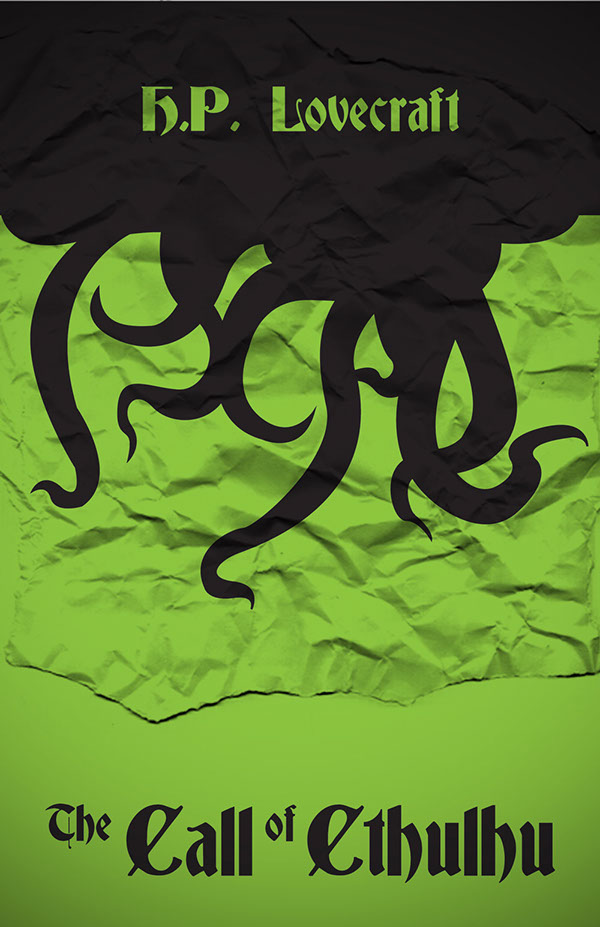
If you don’t want to do that it is still possible to get an e-book library of children’s titles onto your child’s iPad and no other titles showing. One of the most important things you will need are e-books that are DRM-Free, this will allow you to load them directly into your iPad and read them using the iBooks app. Unfortunately this is almost impossible as the major e-book sellers, like Amazon and Kobo, generally add DRM to the title. So how do we remove the DRM so we can get these e-books into our children’s hand? I can point you in that direction but before that, let’s talk DRM.
Well, what is DRM? DRM stands for Digital Rights Management. In e-Book terms it is an electronic restriction placed on your e-Book which only allows it to be read on registered devices. With DRM enabled on an e-Book file you can only read that book on certain devices, or apps created by the seller, but not on their competitor’s devices or apps.
Many users consider DRM very controlling and too restrictive. E-Book publishers have put DRM in place as a safeguard against piracy, but the major sellers of e-Books seem to be using it more as a way of controlling how you use the e-Book. I whole-heartily agree that the people who produce the content we love should get paid but I don’t agree with being restricted on how I should use a product that I paid for.
DRM is a controversial issue and there are publishers out there that have the same view as myself, the Christian book publishers IVP say on their website:
We do believe that it is important that we protect the intellectual property of our authors and we wish to prevent the illegal distribution of copyrighted material. However, we also believe that it is important to make it easy for you, the customer, to maintain the use of any eBooks that you have purchased and to give you the choice to upload them on to a range of your own devices (as long as this is for your own personal use only). In order to uphold both of these concerns, when you buy an eBook from thinkivp.com it will not have any technical DRM
Source: http://thinkivp.com/ebook-faqs

The science-fiction publishers Tor and Baen also provide ‘DRM free’ e-books and have this to say:
Once you purchase one of our eBooks, you can download it as many times as you like, on any of your devices. We believe that making our Tor eBooks DRM-free is the best for our readers, allowing you to use legitimately-purchased eBooks in perfectly legal ways, like moving your library from one reader to another. We understand that DRM can make your eBooks less easy to read. It also makes building and maintaining your digital library more complicated. For these reasons, we are committed to remaining DRM-free.

Baen publishers even go so far as advising you to keep your own back up of the e-books you purchased from them as they may one day be unavailable on the server.
We recommend all customers to keep backups of their purchased Ebooks as it is not always possible for us to host Ebooks after their rights are reverted.
(under My Ebooks are missing! Why can’t I purchase certain Ebooks? Information about reverted rights.)

What is not pointed out when purchasing an e-Book is that your title may not stick around because an author or publisher may decide to pull that title out of circulation and it disappears off your account. This doesn't happen often but has been known to. The following quote comes from an article titled Michael Kelley: How Libraries Preserve E-books by Publishers weekly, which states.
Because most e-books are licensed… to an individual reader, and not owned “Publishers can, and have, removed content, or modified e-book content,” The ability to modify e-books has thus far been framed as a positive for consumers, enabling ready access to updates and other premiums. But it cuts both ways, “You do not want to turn on your e-book reader one day and find, as some readers have already, that all or part of a book has been deleted, and that the original version has not been preserved.” Indeed, e-books can easily disappear, or corrections, deletions, or other changes could be made without alerting readers, possibly altering the historical record.
If that is not an incentive to get you to follow BAEN’s advice and keep a backup of your e-books, the article goes on to say that there is no guarantee of perpetual access as most of our e-books have been purchased from a 3rd party and our e-books reside on that 3rd parties equipment which, at one stage, either no longer exist or become obsolete. Therefore it is a good idea to have your e-book purchases backed up and available to be read on any device.
So back to the original question of how to place a library of children’s e-books onto your child’s iPad. If you have some children’s titles which you have actually purchased and have DRM protection on them, it is possible to strip the technical DRM from those e-books, and load them onto your child’s iPad. In order to do this you will need a copy of a free program called Calibre and a copy of Apprentice Alf’s DRM Removal Tools for eBooks. The way to strip the DRM from your Kindle and other e-books is simple once you know how, but I have found trying to explain it simply and succinctly is rather difficult. Instead of making a mash of it I would like to point you to a great article from the HowToGeek website which explains this perfectly.
Link: How to Strip the DRM from Your Kindle Ebooks for Cross-Device Enjoyment and Archiving
The end result of the process is a DRM-free book that has been successfully converted to a generic MOBI file (if you purchased it from Amazon). In order to get the DRM-Free e-book onto the iBooks app on your iPad you can use the Calibre program to convert it into an ePub format. Have an enjoyable time learning a new skill.
A disclaimer: the tools I am pointing you to will not work to strip the DRM from library eBooks, loaned eBooks, or other eBooks of which you are not the original purchaser.
So there you have it, you can be an upstanding citizen who supports the people that create the content you love, but also have the freedom to enjoy that content on any of your devices as you see fit.
Comments
Post a Comment
Feedback is welcome.